An island which sings
Irish Music Takes Us on a Journey
When we think about Ireland, we imagine beautiful green landscapes, cliffs, sheep, cosy pubs… and, of course, music!
Irish music tells us about the country, its joys, its sadness, its traditions and its history.
It can be soft and sad, happy and lively, or even very energetic, with pop and rock influences.
This mix of different styles is what makes Irish music so special.
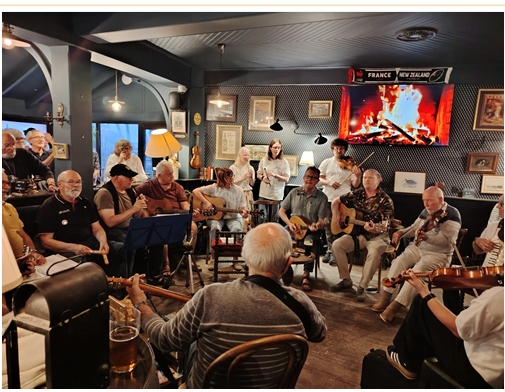
It is the heart and soul of Irish pubs.
In Irish pubs, traditional music has an important place.
Fiddle, tin whistle, bodhrán, accordion and guitar — these are some of the instruments played by musicians, beginners or more experienced, who come together to play music in a very friendly atmosphere.
Let’s take a moment to discover these groups that have helped make Irish music famous in all its different forms…
From traditional music
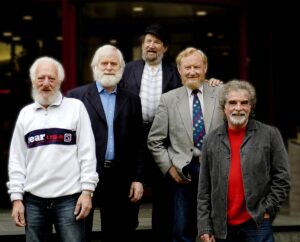
The Dubliners
One of the most iconic groups in traditional Irish music.
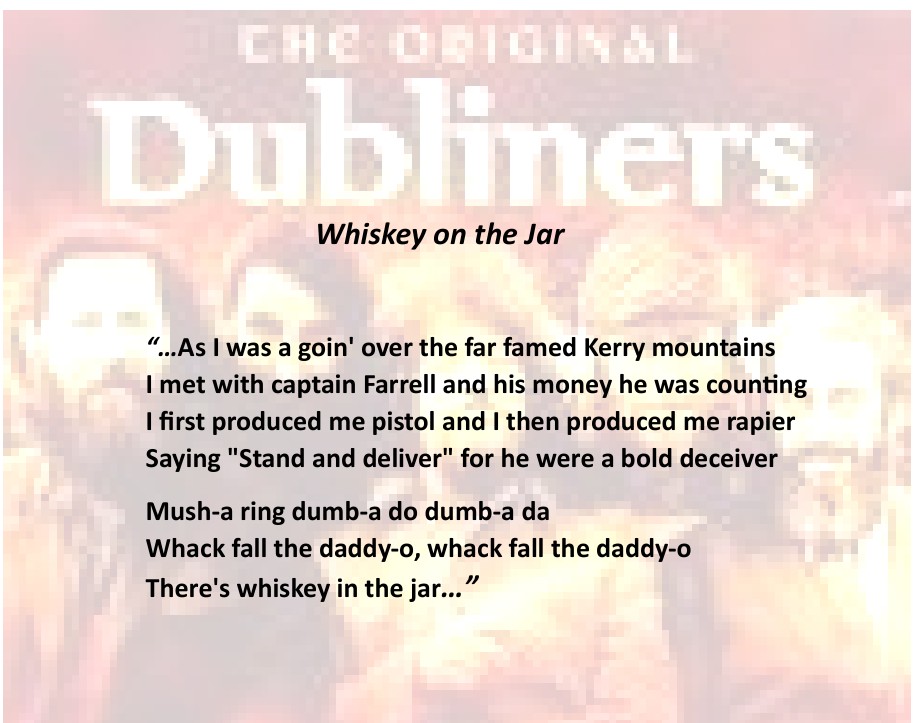
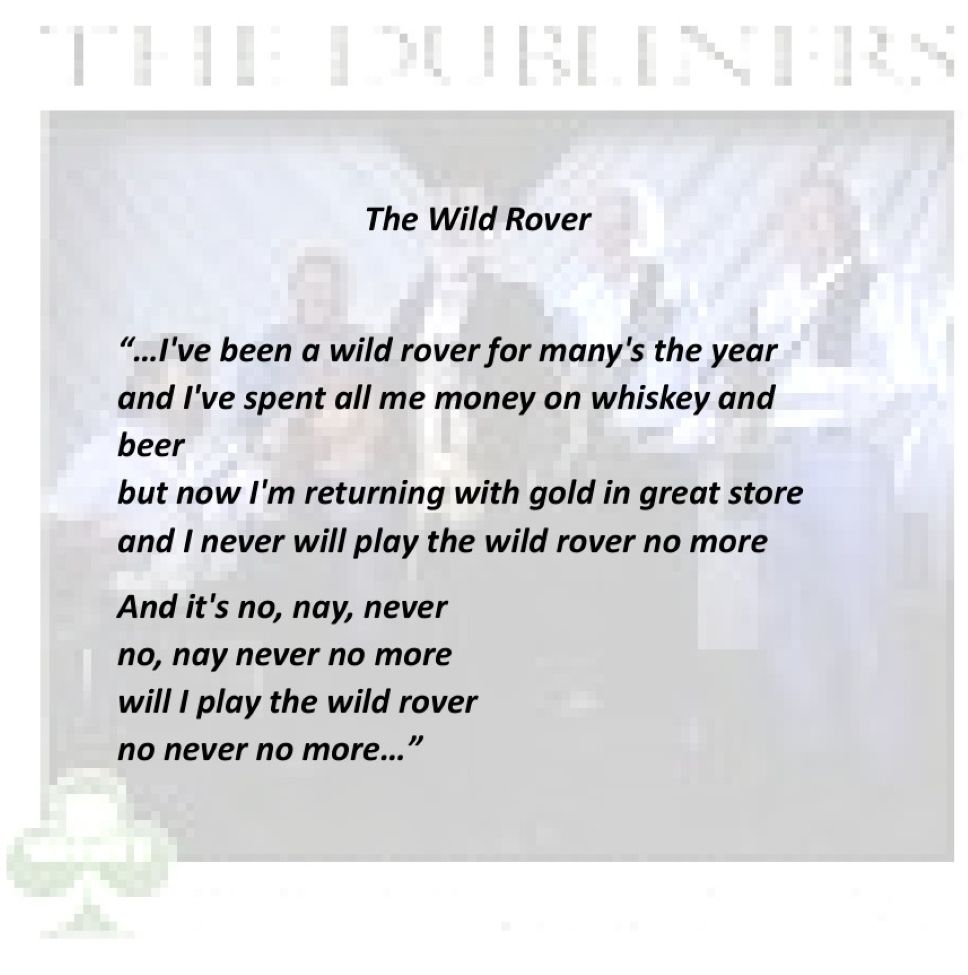
With songs such as The Wild Rover and Whiskey in the Jar, they helped make Irish folk music famous all over the world.
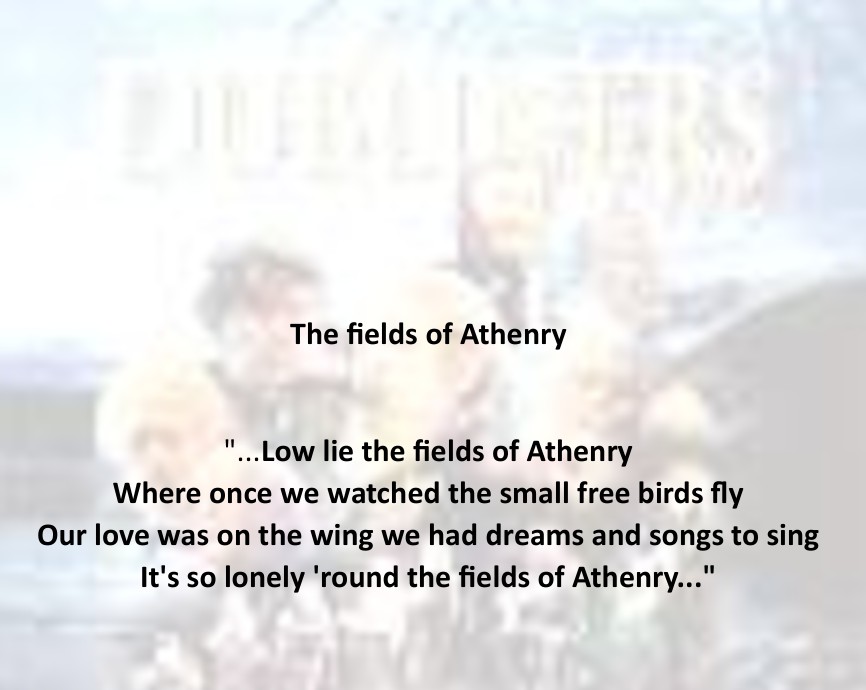
The Fields of Athenry is one of the most iconic and moving ballads in the Irish repertoire. More than just a song, it reflects the history and deep emotions of the Irish people.
Even today, these songs are still performed in pubs and at St. Patrick’s Day celebrations.
The Fields of Anthery
Whiskey in the jar
Wild Rover
To pop rock
Les Coors
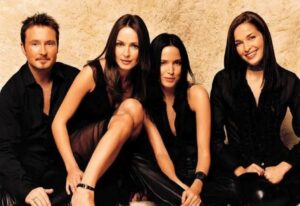
An Irish English-speaking pop-rock group with influences from Irish folk music, formed in Dundalk, Ireland.
These three sisters and one brother offer us a subtle blend of traditional Irish music and pop music.
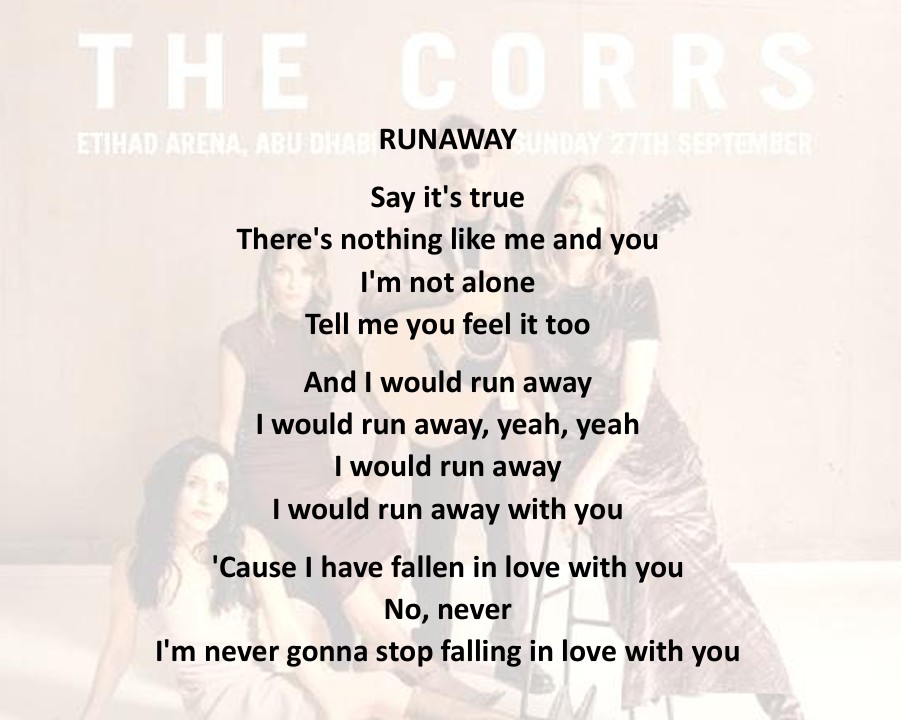
All their albums have been international successes, but their best-known songs include Runaway, Forgiven Not Forgotten, Breathless and What Can I Do.
The Cranberries
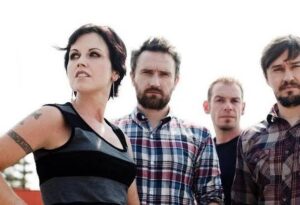
With Dolores O’Riordan’s unmistakable voice, The Cranberries made a deep impact on the international music scene while remaining closely connected to their Irish roots
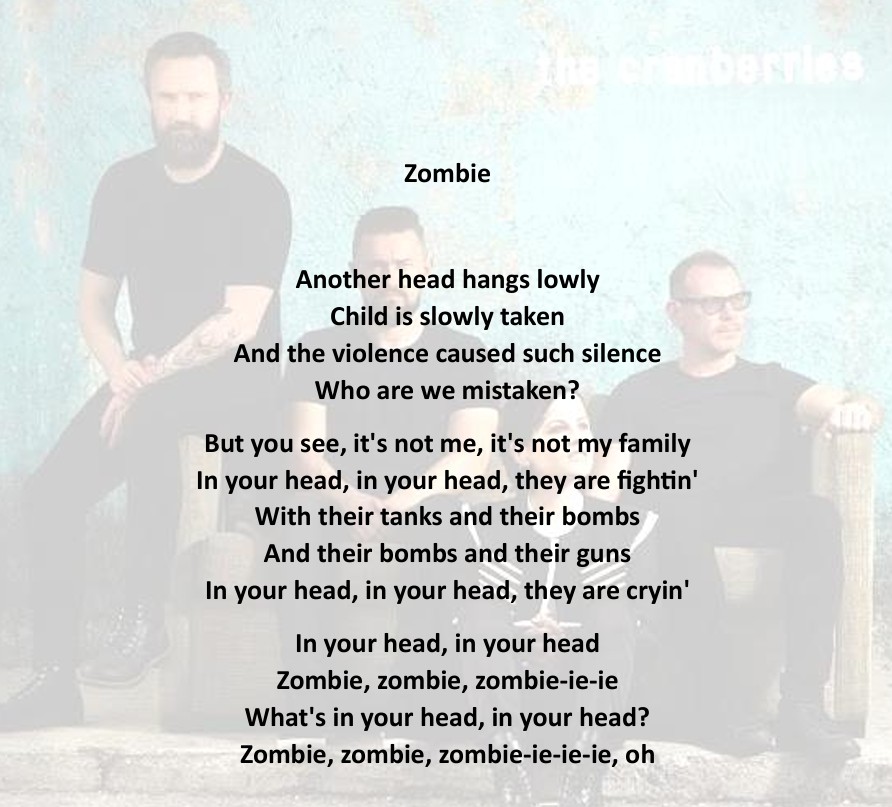
While Dreams and Linger are particularly well-known for their softness, Zombie represents the band’s powerful, energetic and committed pop-rock side. It was written in response to the violence linked to the conflict in Northern Ireland
The Pogues
Through their songs, this group, born within London’s Irish immigrant community, tells with remarkable emotion the story of life, displacement, nostalgia and the difficulties faced by Irish exiles in England and New York.
The relationship between The Pogues and Ireland is deep, complex and passionate. Irish identity is at the heart of everything they created.
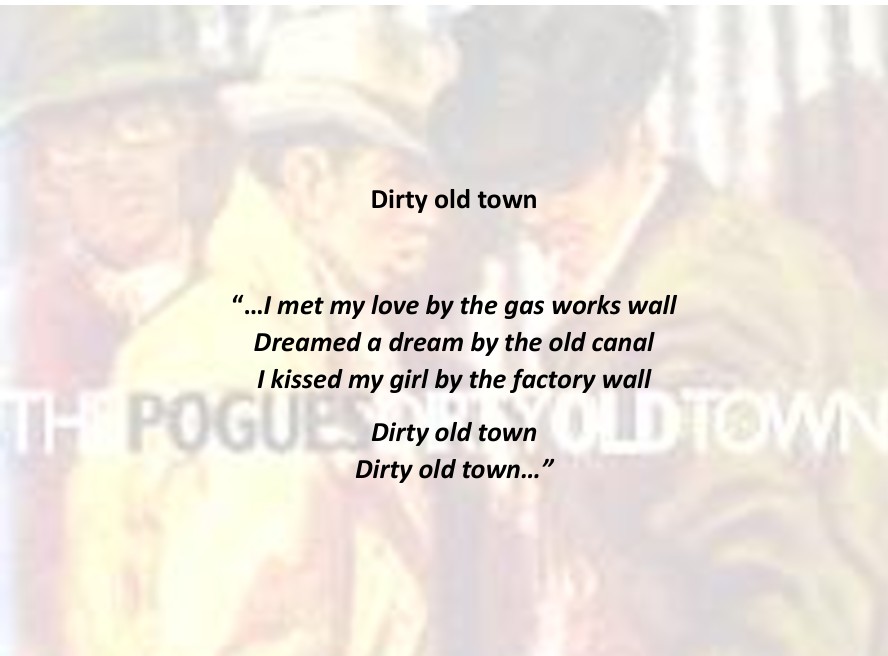
Dirty old town
By using traditional Irish instruments, such as the tin whistle, banjo, accordion and mandolin, and playing folk music at the fast pace of punk rock, they brought Irish music back to great popularity among younger generations.
Despite their provocative and irreverent style, The Pogues became true national heroes in Ireland.
When Shane MacGowan died in 2023, the Irish president himself paid tribute to him, praising his major impact on the country’s culture.
U2: An Irish Pop Rock Icon
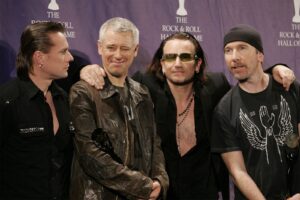
When we talk about Irish pop-rock music, one name immediately comes to mind: U2.
With Bono as its lead singer, the band has become one of the most famous Irish groups in the world. U2’s relationship with Ireland is complex and deeply emotional. The band was formed in Dublin at a time when the island was marked by political and religious divisions, tensions and the conflict in Northern Ireland.
But U2 is not only a band that sings about Ireland. Through songs such as With or Without You, Where the Streets Have No Name and One, they express their beliefs and questions on an international scale
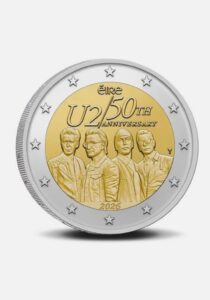
The year 2026 marks the band’s 50th anniversary.
To celebrate this occasion, a special €2 coin has even been minted in Ireland.
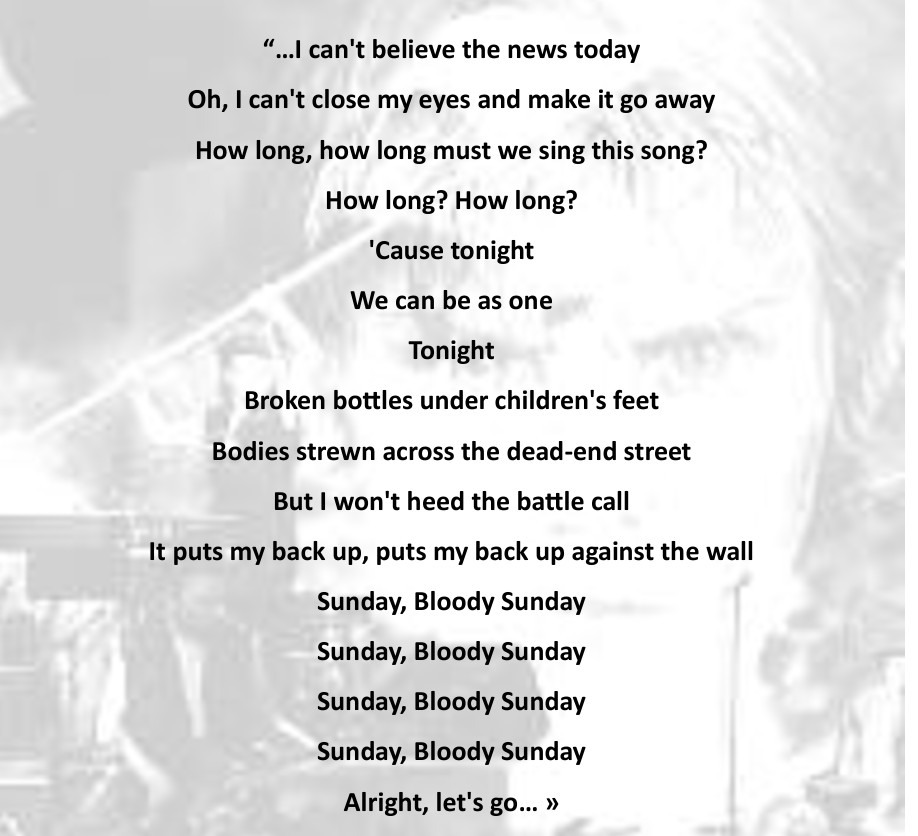
While Sunday Bloody Sunday addresses the painful history of this conflict, the song is more than just a pop-rock track. It becomes a reflection on violence, suffering and the absurdity of the conflict
To finish on a softer note: Women of Ireland.
You may remember the soundtrack of Stanley Kubrick’s film Barry Lyndon (1975).
The Chieftains performed a famous traditional Irish song for the film.
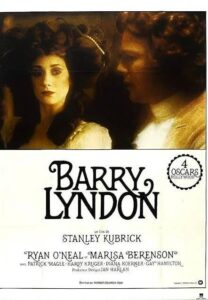
Known and covered many times under the title Women of Ireland — notably by Sinéad O’Connor, Kate Bush, Alan Stivell and Nolwenn Leroy — or as Words by The Christians, this song is an adaptation of the Irish traditional piece Mná na hÉireann (Women of Ireland).
The music was composed by Seán Ó Riada, a famous Irish composer and conductor, who has since passed away, while the lyrics are based on an 18th-century Irish poem written by Peadar Ó Doirnín.
How can we not be moved by the symbolism of this song?
In the Irish literary tradition of the aisling (“vision”), the poet personifies Ireland as a woman to express his love for his homeland and his longing for freedom.
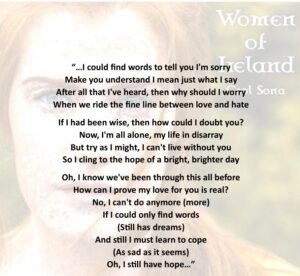
Ireland offers us music full of contrasts.
In the end, Irish music may be a little like Ireland itself: warm and lively, but sometimes also melancholic.
From the fiddles in Irish pubs to the electric guitars of famous bands, it has crossed generations and musical styles.
It is this diversity that makes us want to keep listening, singing… and why not, dancing!
And you, which Ireland do you prefer?
Ireland:
-
the Ireland of pubs,
-
traditional Ireland,
-
rock Ireland,
-
or melancholic Ireland?
If you would like to see a follow-up to this article, let us know which one you prefer. The Guidel–Carrigaline Twinning Committee would love to hear from you.
See you soon!
Laisser un commentaire